
"flavor grading"
20000 article(s) found
Old Ethiopian grading standards--Definition of grading for washing and solarization
Professional coffee knowledge exchange More coffee bean information Please pay attention to coffee workshop (Weixin Official Accounts cafe_style) Ethiopia old classification standard Ethiopian coffee beans are generally divided into five levels, according to washing and sun treatment for G1, G2, G3, G4, G5, the first and second levels for washed coffee beans, and sun coffee beans according to coffee quality is divided into G3,G4,G5 three and so on

The description of the Flavor of Coffee by Brazilian Cup Measurement and grading
Brazilian cup test grading: grade 1:Strictly Soft (very mild) grade 2:Soft (mild) grade 3:Softish (slightly mild) grade 4:Hard (light iodine) grade 6:Rioy (strong iodine) where grades 1-3 are collectively referred to as mild, sweet, bitter and sour, and are good coffee with a warm and mellow taste. On the contrary

Why is the selection of coffee graded? What are the ways to grade coffee?
Select coffee is usually the top coffee; but what does the top coffee represent? Who is in charge of grading? How should it be graded? Although grade is not the only criterion for identifying flavor, it is still a fairly objective indicator. Why there are different ways to manage the origin of graded coffee; some are made up of large and small farmers, and some are dominated by expert enterprises. Even if the same

Kenyan coffee grading system on how to brew? Flavor description? What taste?
Kenyan coffee grading system on how to brew? Flavor description? What taste? The coffee grading system in Kenya was established under the policy of the government leading the management of quality and tutoring coffee farmers. After the coffee was harvested, the official unit of the Kenya Coffee Agency (Coffee Board of Kenya referred to as CBK) was established in 1933 in the capital Nairobi (N).
Ethiopian coffee beans characteristics, Ethiopian coffee grades
Pay attention to coffee reviews (Weixin Official Accounts vdailycom ) and find a beautiful cafe to open its own shop Ethiopian coffee beans are divided into five levels. The first and second stages are water-washed beans. Grade1 means 0~3 defective beans per 300 g of raw beans;Grade2 means 4~12 defective beans per 300 g. Gradc Grade 1 washed beans are extremely rare and generally difficult to buy.

Citrus-flavored Yejassefi Coffee Manor: an introduction to the flavor and taste of Cochel Manor
The grading system of Ethiopian coffee is not based on the number of items, but on the proportion of defective beans in raw beans. In October 2009, Ethiopia launched the ECX boutique coffee trading grading system. Through the evaluation of raw beans, Q-Grader made the following grades: washed Yega Xuefei is divided into two grades: Grade 1 and Grade 2, sun Yega Xuefei is divided into Grade 1,
The Operation of the Standard Coffee Bean grading system for Coffee grading and the effect of grading on Price
What is coffee grading? Coffee grading is a basis for evaluating the quality of raw coffee beans before export. at present, there is no unified grading system in the world, but different grading systems according to different coffee producing countries. This means that coffee is graded according to different standards in different regions, and sometimes the same meaning is presented in different terms. The International Trade Center pointed out that coffee
What does G1MagneG2 stand for in coffee? how to distinguish the grades of Ethiopian coffee beans?
In order to distinguish between good quality coffee beans and poor quality coffee beans, manufacturers have to grade coffee. Coffee is usually graded according to the defect rate and the size of beans.

Introduction to Grinding scale of Food Safety Standard grading Flavor description treatment method for Coffee beans
Standard for Food Safety of Coffee beans Flavor description method Grinding scale Columbia Coffee is divided into three levels: Supremo,Excelso,Extra, of which Supremo is the highest and Extra is the last; Excelso here is a mixture of the first two to meet the needs of commercial coffee buyers. This fast-growing coffee already exists in most parts of Colombia.
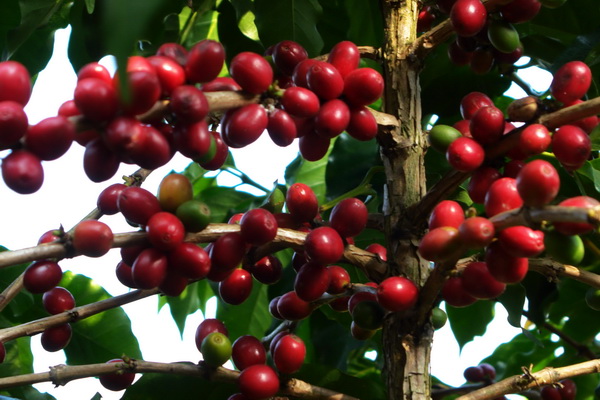
African flavor Ethiopian grade G1G2 G3 boutique coffee beans
Pre-auction process 1) farmers pick fresh coffee fruits; 2) farmers transport fresh fruits to rural cooperatives; 3) cooperatives sell fresh fruits to middlemen; 4) middlemen collect and transport fresh fruits to processing plants (washing or tanning process); 5) middlemen transport processed beans (with shell beans, Parchment Coffee) to auction houses to establish warehouses; 6) auction houses give official evaluation (
The ranking system of raw beans in coffee producing countries introduces what is the best grade of coffee beans.
Ethiopia (rated in proportion to defective beans) before the emergence of the Ethiopian Commodity Exchange (Ethiopia Commodity Exchange referred to as ECX), Ethiopia's coffee export grade was established by the CLU Department (Cupping and Liquoring Unit) under the Ministry of Agriculture, mainly according to the number of defective beans in 300g. The classification criteria are as follows.
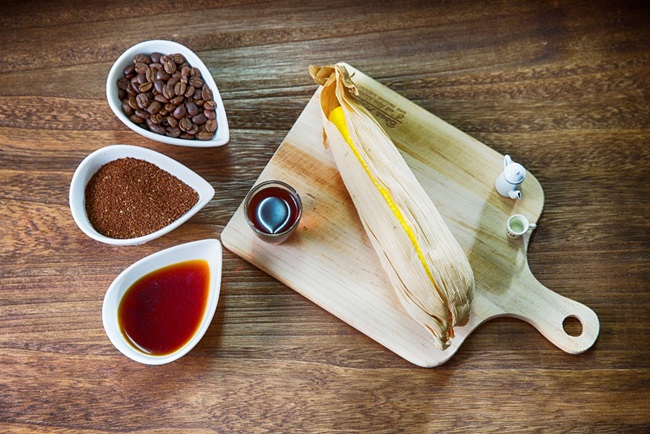
Global Coffee Bean grading system details of Raw Bean grading Standards in Coffee producing countries
For the exchange of professional baristas, please pay attention to the naming methods of coffee in coffee workshop (Wechat official account cafe_style): G1, G2, G3, G4, AA, PB, SHB, SHG, EP, PLANTATION. What exactly does it stand for? The information that may be included in the name of a coffee is: country, producing area, variety, treatment, cup quality, bean order, bean shape or bean color, defect quantity

Introduction to the Grade and Flavor of Ethiopian Coffee beans
Even the official research unit of Ethiopia does not know how many Arabica subspecies there are in Ethiopia. The coffee cooperatives in this mountain are certainly different from those planted in another mountain, and even small farmers in the same region grow different varieties of coffee. It has been estimated that there are at least 2000 varieties of Ethiopian coffee and even more than 4500 kinds of coffee. Compared to the southern neighbor Ken

Introduction of Ethiopian Coffee Grade Analysis of Ethiopian Coffee beans
Ethiopian coffee beans are divided into five levels. The first and second stages are washed beans. Washed beans Grade1 represents 3 defective beans per 300g raw beans, and Grade2 represents 4 defective beans per 300g. Gradc1 grade water washed beans are very rare and are generally difficult to buy. At present, all the washed beans exported from Ethiopia are Grade2 grade. The quality of sun-dried beans is Grade3 and Grad in order.
What is coffee bean grading coffee country of origin grading system boutique coffee
Professional coffee knowledge exchange more coffee bean information Please pay attention to the coffee workshop (Wechat official account cafe_style) what is the classification of coffee beans usually when we look at individual coffee, we often see a long name sandwiched with one or two acronyms, such as PB, AA, G1 and so on, which actually represent the grade given by the producing country. On this earth, there is no

Introduction to the flavor and taste of Ethiopian coffee beans grading of Ethiopian coffee beans
Ethiopian beans look a little malnourished. However, the appearance of beans, Ethiopian coffee can be ranked as the world's most citrus aroma, whether instant coffee or freshly ground coffee, the extraction will smell the pungent aroma of orange or lemon. The nose is characterized by strong floral, fruity, sour and sweet aromas, but the alcohol is slightly thicker or less dense. The biggest disadvantage is that it is easy to bake unevenly, especially
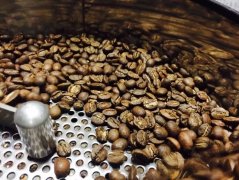
How is the coffee graded? who is in charge of grading? How is it graded?
Select coffee is usually the top coffee, but what does the top coffee represent? Who is in charge of grading? How is it graded? Although grade is not the only criterion for distinguishing flavor, it is still a quite objective index. First, why there are different ways of managing the origin of graded coffee, some are composed of large and small farmers, and some are dominated by specialized enterprises. Even if the coffee in the same place
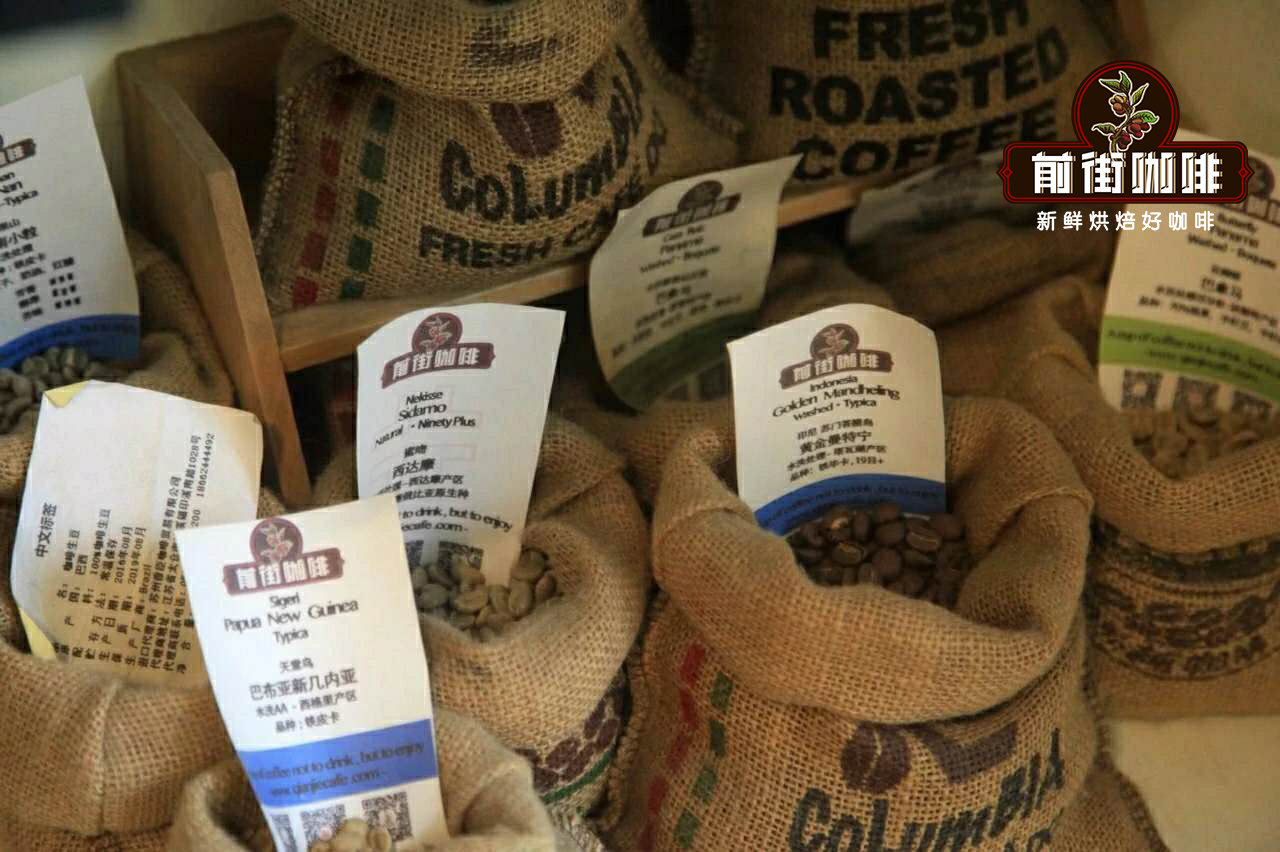
What does coffee bean grade G1 G2 G3 G4 AA PB SHB stand for? Grade of coffee beans in various countries
What exactly do the grades of coffee beans G1, G2, G3, G4, AA, PB and SHB represent? The name of a coffee may contain messages such as country, producing area, variety, treatment, cup quality, bean order, bean shape or color, defect, raw bean density, etc. To really understand the naming of coffee, we must first understand the classification and classification of coffee. Classification and classification of coffee

A brief introduction to the planting method for the characteristics of flavor and taste in the producing area of Ye Jia Xuefei Adoudo Coffee Manor
The grading system of Ethiopian coffee is not based on the number of items, but on the proportion of defective beans in raw beans. In October 2009, Ethiopia launched the ECX boutique coffee trading grading system. Through the evaluation of raw beans, Q-Grader made the following grades: washed Yega Xuefei is divided into two grades: Grade 1 and Grade 2, sun Yega Xuefei is divided into Grade 1,

Kenyan Coffee Regional Flavor description Kenyan Coffee targeting Japanese Market Kenyan Coffee characteristics
Professional coffee knowledge exchange more coffee bean information please follow the coffee workshop (Wechat official account cafe_style) Kenya strictly controls the quality of coffee, which is divided into AA,AB,C,E,PB,TT,T,ML,MH according to size and shape. These grades mainly distinguish the shape and size of beans, but not absolutely represent the quality of beans. Many people think that beans with larger grains